
What to Include in a Branding Brief Before Hiring a Designer
If you’re planning to work with a brand designer, you might be wondering what information you should prepare beforehand.
A branding brief doesn’t need to be complicated, but having a few key details ready can make a huge difference to the success of your project. The clearer your designer understands your business, audience, and goals, the easier it is to create branding that truly reflects your vision.
If you’re getting ready to invest in professional branding, here are the key things to include in your branding brief.
1. Your Business Overview
Start by giving your designer a clear overview of your business.
This doesn’t need to be overly formal — just explain what you do and what makes your business unique.
Some helpful things to include are:
What your business does
The services or products you offer
How long you’ve been in business
What makes your business different
This helps your designer understand the bigger picture behind your brand.
2. Your Business Goals
Think about what you want your branding to achieve.
Are you launching a new business? Rebranding an existing one? Trying to attract higher-value clients?
Your branding should support your long-term business goals, not just look good visually.
For example, you might want your brand to:
Attract a more premium audience
Stand out in a competitive industry
Feel more professional and established
Reflect how your business has evolved
Sharing these goals helps guide the creative direction.
3. Your Ideal Audience
Strong branding speaks directly to the right people.
Your designer will need to understand who your business is trying to attract, so include some details about your ideal customers.
Consider things like:
Who they are
What problems they have
What they value
What type of brands they are drawn to
The more clearly your audience is defined, the easier it is to create branding that resonates with them.
4. Your Brand Personality
Your brand isn’t just about visuals — it’s also about how your business feels.
Think about the personality you want your brand to communicate.
For example, your brand might feel:
Modern and minimal
Calm and wellness-focused
Bold and creative
Premium and elevated
Friendly and approachable
Sharing a few words that describe your brand personality can help guide decisions around colours, typography, and design style.
5. Visual Inspiration
Inspiration can be incredibly helpful for designers.
You don’t need to know exactly what you want, but sharing examples of styles you’re drawn to can give your designer a sense of direction.
You might include:
Brands you admire
Colour palettes you like
Typography styles
Website inspiration
Pinterest boards are a great way to gather visual ideas.
Just remember that inspiration is used to guide the creative direction, not to copy another brand.
6. Competitors or Similar Businesses
Sharing a few examples of competitors or similar brands can also be useful.
This helps your designer understand:
Your industry landscape
What other brands in your space look like
Opportunities to differentiate your brand
Good branding should help your business stand out while still feeling relevant to your industry.
7. Where Your Branding Will Be Used
Finally, it’s helpful for your designer to know where your branding will appear.
This influences how your brand identity is built and ensures it works across all the places your business shows up.
For example:
Website
Social media
Packaging
Marketing materials
Signage
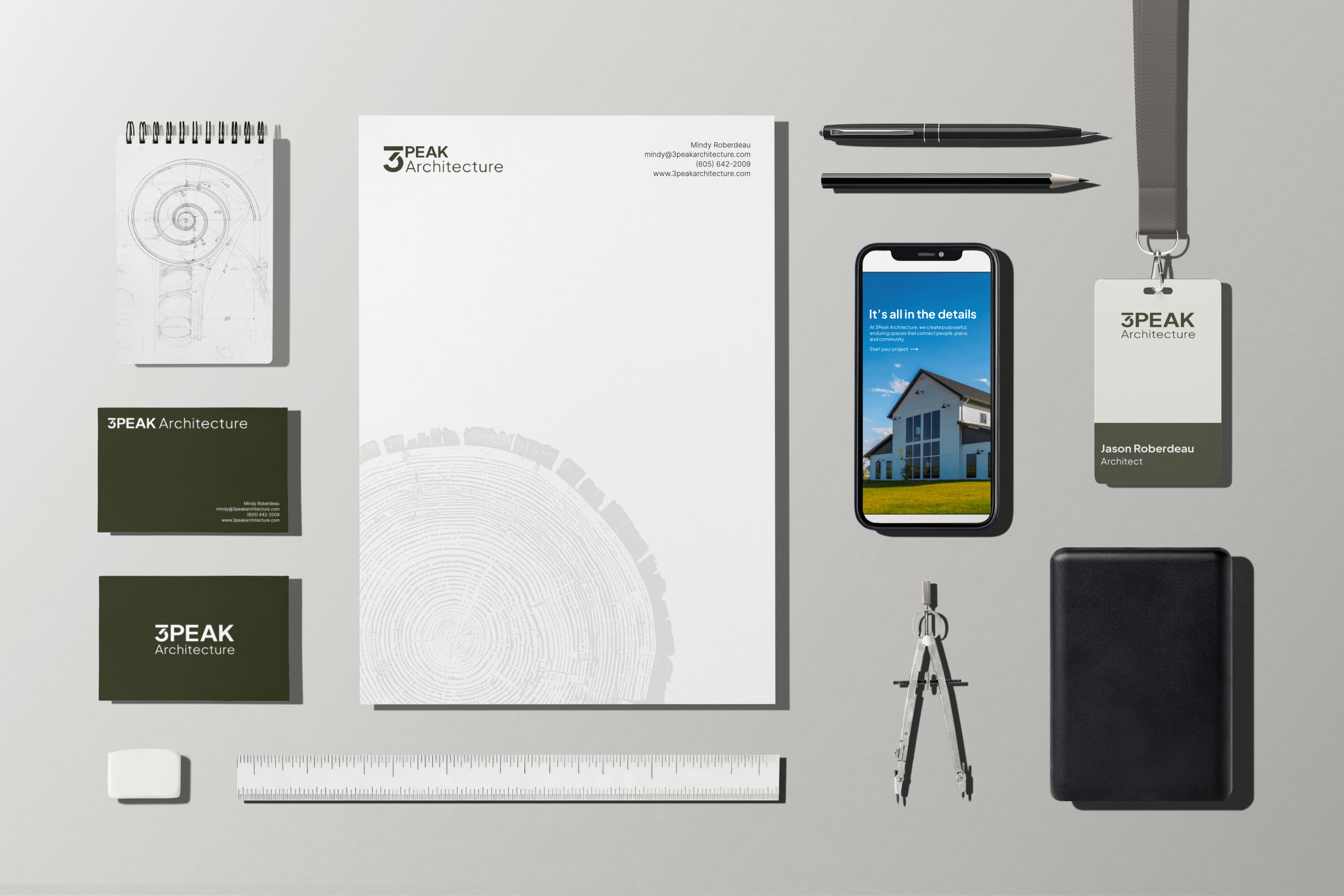
A well-designed brand identity should be flexible and consistent across all platforms.
Final Thoughts
Preparing a branding brief doesn’t mean having everything perfectly figured out.
A big part of a brand designer’s role is helping guide you through the process and turn your ideas into a clear, cohesive brand identity.
However, taking some time to think about your business goals, audience, and brand personality before starting a project can make the process smoother, and lead to a stronger end result.
If you’re planning to launch a new business or refresh your brand, working with a professional branding studio can help ensure your brand identity is strategic, cohesive, and built to grow with your business.
Branding Brief Checklist
Before starting your branding project, try to prepare:
A short overview of your business
Your business goals
Details about your ideal audience
Words that describe your brand personality
Visual inspiration or brands you admire
Competitors or similar businesses
Where your branding will be used
Ready to Create a Brand That Reflects Your Business?
If you're preparing to launch a new business or refresh your existing brand, having a clear strategy and cohesive visual identity can make a huge difference.
At So Swell Studio, we work with service-based and e-commerce businesses to create strategic branding and websites designed to support long-term growth.
